Engineering Logs
Deep dives into Generative Engine Optimization, Next.js architecture, and the future of search.

Canonical URLs are the main versions of pages that search engines index and rank in search results when multiple URLs load the same or very similar content. Having the proper canonical URL strengthens the ranking potential for the page you want users to find. This guide explains how canonicalization works, how to use canonical tags correctly, when to choose alternatives to canonical tags, and how to ensure Google consistently selects your preferred URLs.

Businesses in Qatar are shifting from traditional SEO to AI-driven search optimization. This guide explains how companies in Doha can rank on Google, ChatGPT, and AI assistants using structured data, AEO, and GEO strategies to increase visibility, authority, and inbound leads in 2026.

Businesses in Oman are shifting from traditional SEO to AI search optimization. This guide explains how companies in Muscat can rank on Google, ChatGPT, and AI assistants using structured data, AEO, and GEO strategies to increase visibility and traffic in 2026.
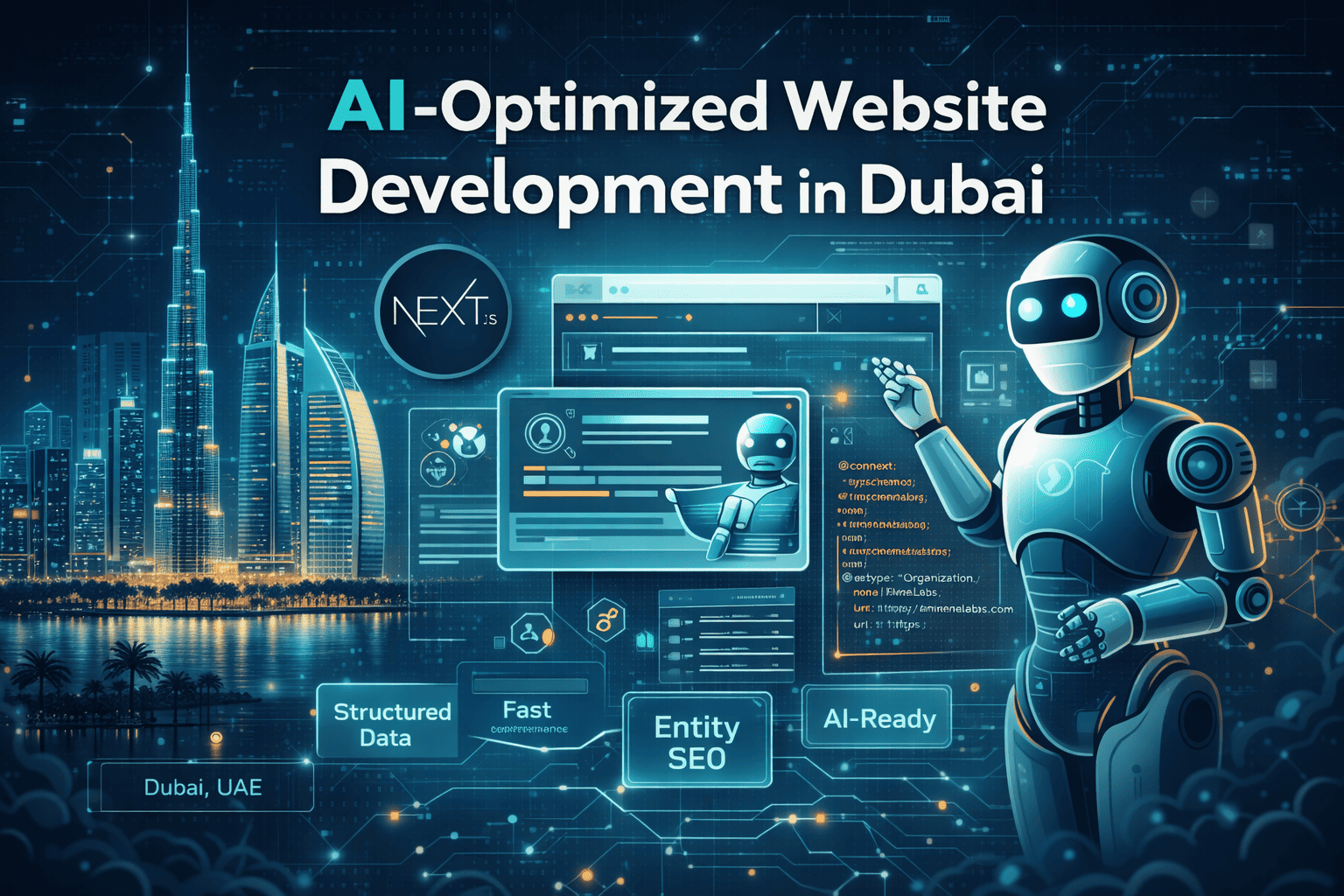
AI-Optimized Website Development in Dubai: Why Modern Businesses Need Structured Web Architecture
Modern businesses in Dubai need more than just a website — they need AI-ready infrastructure. This article explains how Next.js, structured schema, and performance-focused architecture improve SEO rankings and AI visibility across generative search engines.
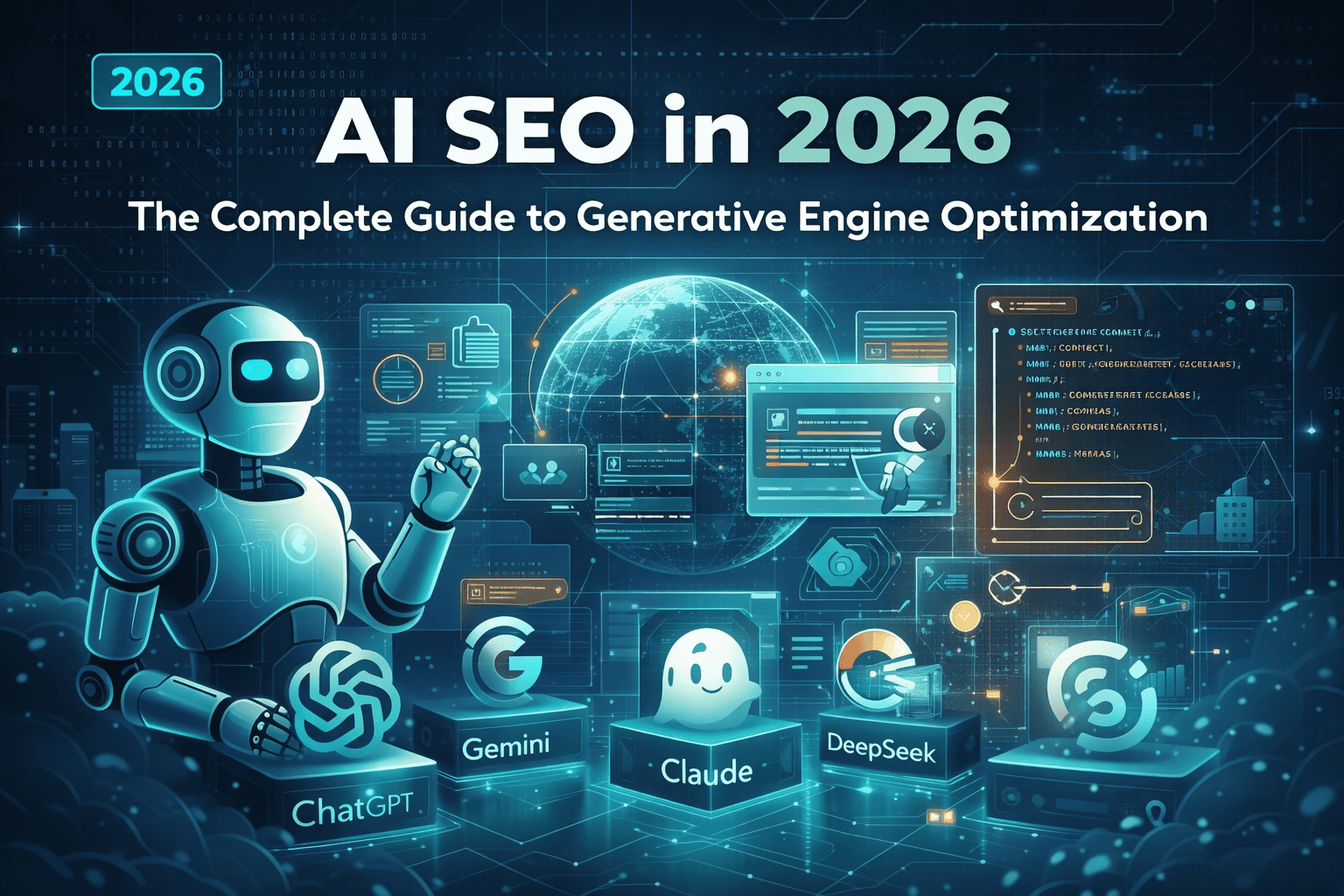
Search has shifted from ranking pages to generating answers. This guide explains how AI SEO, AEO, and Generative Engine Optimization (GEO) work, and how structured data, entity clarity, and semantic architecture help your website appear in AI-driven search engines like ChatGPT, Gemini, and DeepSeek.